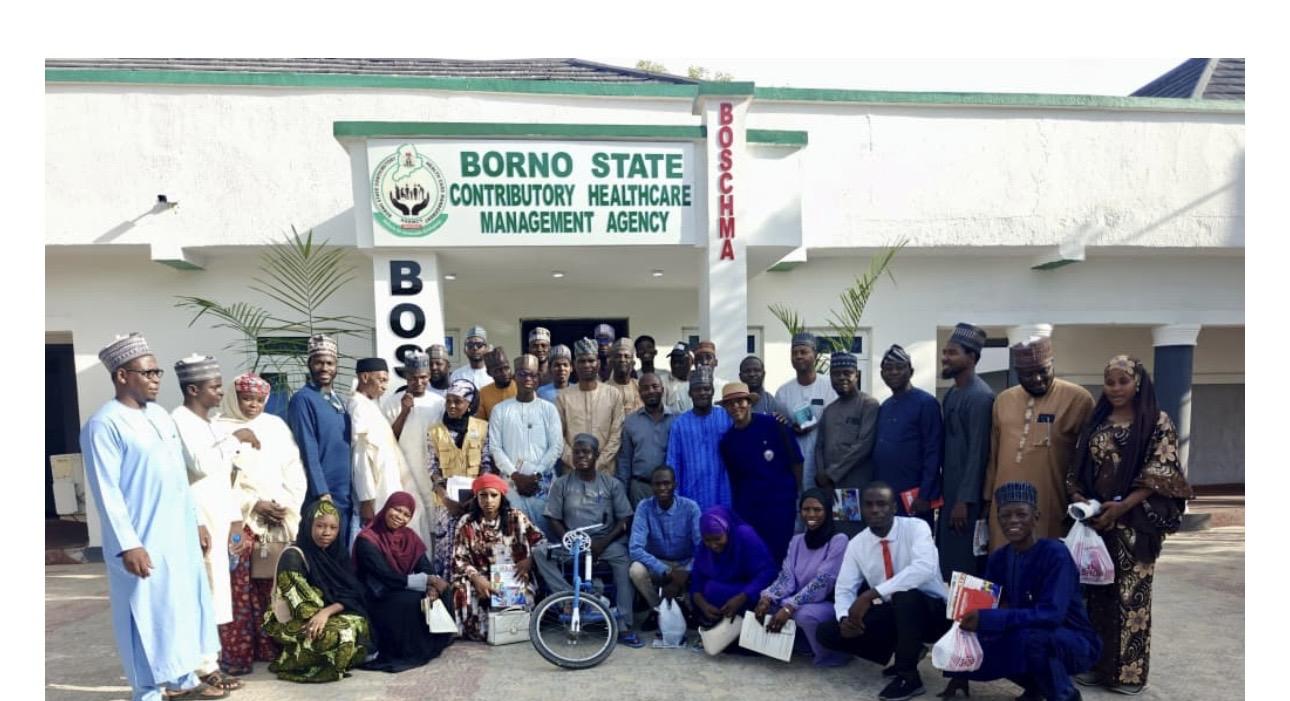
Beneficiaries of the Borno State Contributory Healthcare Management Agency (BOSCHMA) have urged more residents, particularly civil servants, to enroll in the state's health insurance scheme after sharing personal testimonies of receiving quality medical care without out-of-pocket payments.
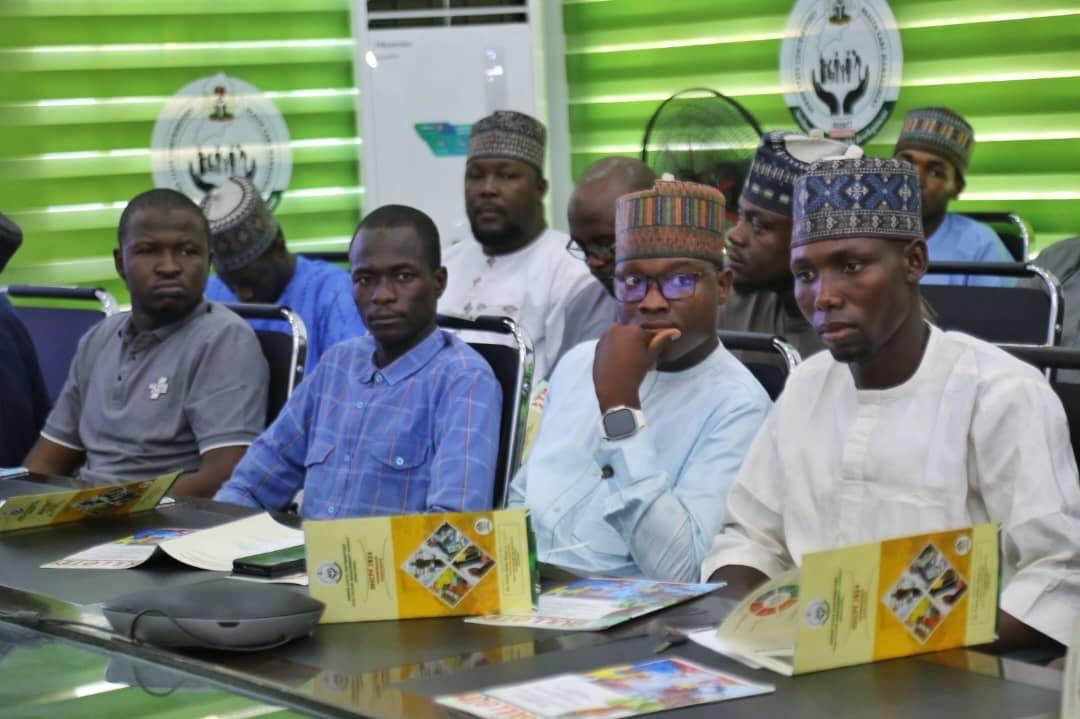
The call came during a one-day stakeholders' engagement and facility tour organized by BOSCHMA, which brought together beneficiaries, labour representatives, civil society organizations, community-based organizations, media practitioners, traditional and religious leaders, women and youth groups, persons living with disabilities, and other concerned citizens.
Participants commended the agency for its commitment to transparency, accountability, digital innovation, and reforms aimed at expanding access to affordable and quality healthcare across Borno State.
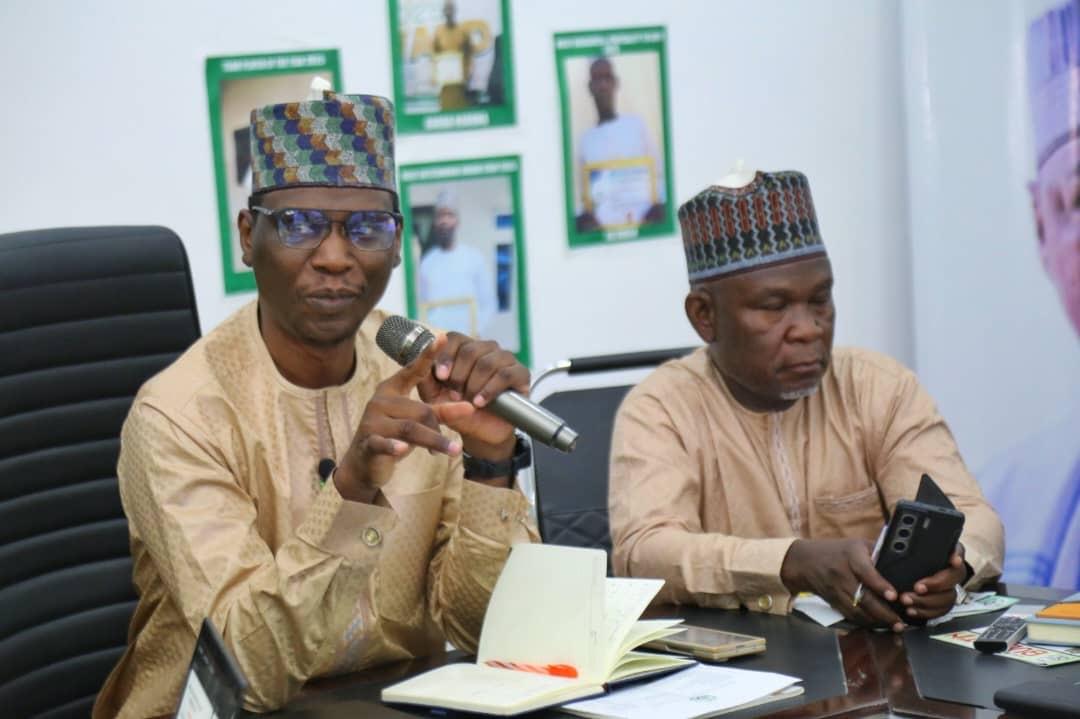
Speaking at the event, the Executive Secretary of BOSCHMA, Dr. Saleh Abba Kaza, said the engagement formed part of the agency's deliberate efforts to deepen public trust, strengthen collaboration, and give stakeholders a firsthand understanding of its operations, achievements, and future plans.
"In our quest for transparency and accountability, we invited our august friends among beneficiaries, labour unions, civil society groups, persons living with disabilities, and concerned citizens for an interactive session and field visit," Dr. Kaza said.
He noted that BOSCHMA was established to protect residents from catastrophic healthcare expenditures that often force families deeper into poverty, stressing that access to healthcare should not depend on an individual's financial status.
Dr. Kaza explained that under the scheme's financing model, healthcare providers receive capitation payments for services rendered at the primary healthcare level, while secondary healthcare services are reimbursed through a fee-for-service arrangement.
Citing national statistics, he observed that many Nigerians continue to spend a significant portion of their income on healthcare, with catastrophic medical expenses pushing thousands of households into financial hardship annually, particularly in economically vulnerable regions.
He further acknowledged the support of Governor Babagana Umara Zulum's administration in advancing healthcare reforms and expanding health insurance coverage as part of efforts to achieve Universal Health Coverage in the state.
During the engagement, the Technical Assistant to the Executive Secretary, Usman Midala, presented an overview of BOSCHMA's mandate, organizational structure, programmes, enrollment achievements, and interventions targeted at vulnerable and underserved populations.
He said the agency currently provides healthcare coverage to more than 200,000 beneficiaries across Borno State through a network of accredited primary and secondary healthcare facilities.
The Head of Information and Communications Technology, Mustapha Mohammed, showcased BOSCHMA's transition from manual operations to a fully digital healthcare management system.
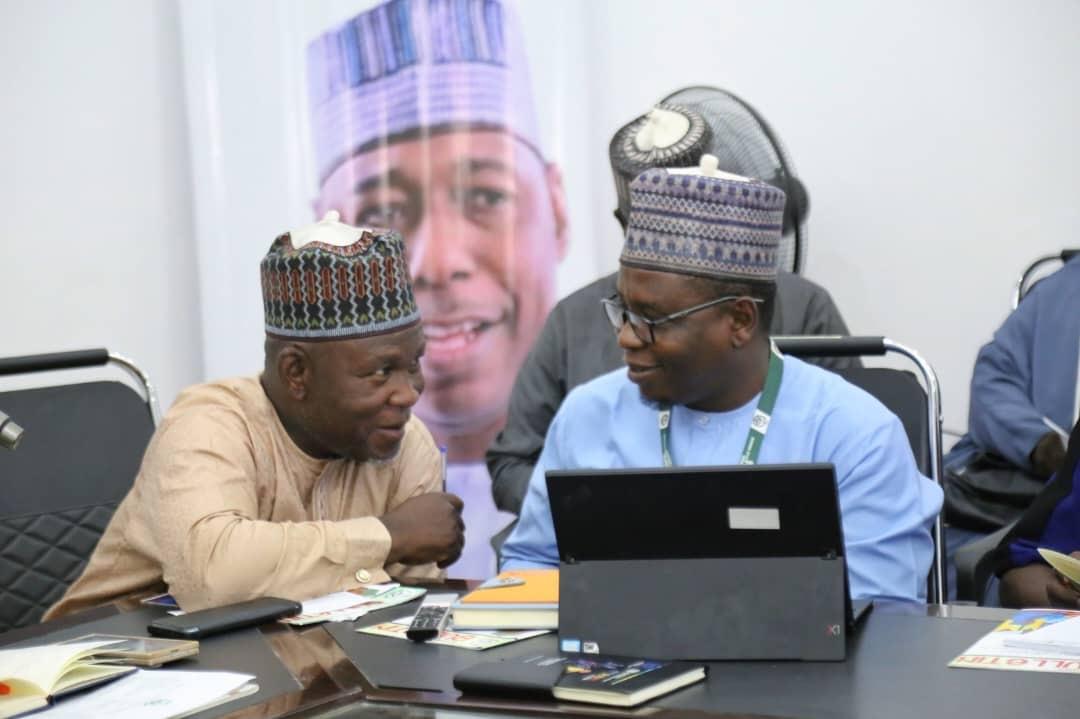
Through a live demonstration, participants observed how electronic enrollment, electronic medical records, real-time claims processing, beneficiary verification systems, customer service platforms, and performance-monitoring dashboards have transformed service delivery.
The digital innovations, stakeholders noted, have significantly improved efficiency, transparency, accountability, and monitoring across participating healthcare facilities.
To validate the presentations and gain practical insight into the agency's operations, participants were divided into groups for on-the-spot assessments of selected health facilities.
The visits covered the State Specialist Hospital and General Hospital Maiduguri; Umaru Shehu Ultra-Modern Hospital and Shehuri II Primary Healthcare Centre; as well as Maryam Abacha Women and Children's Hospital and Mashamari Primary Healthcare Centre.
The delegation also toured the Borno State Drugs Management Agency warehouse, where they observed the pharmaceutical supply chain and the processes through which BOSCHMA procures and distributes essential medicines to healthcare facilities across the state.
At the BOSCHMA clinic within the State Specialist Hospital, healthcare workers highlighted operational challenges associated with patient referrals.
They explained that while BOSCHMA clinics operate on digital platforms, referrals to hospital wards still require manual documentation because the wider hospital system has yet to be fully integrated electronically.
For many participants, the facility visits reinforced confidence in the scheme and provided tangible evidence of the agency's achievements.
Mohammed Sheriff, a Borno State civil servant and beneficiary, encouraged fellow workers to take advantage of the programme, saying misconceptions initially prevented many people from appreciating its value.
"At first, we thought our money was being deducted for nothing," Sheriff said.
"But I can assure you that there is no better support for civil servants than having access to healthcare."
"I became ill and decided to use the scheme, and to my surprise, both my family and I received treatment free of charge," he added. "Not a single kobo was requested from me."
Another participant, Mohammed Adamu Likita, recounted how his wife underwent surgery during childbirth under the scheme without the family paying any additional medical expenses.
A physically challenged participant, Modu Kolo, praised BOSCHMA and its ICT team for extending healthcare services to vulnerable groups through the insurance programme.
He, however, appealed to the agency to address delays affecting the validation of some persons living with disabilities seeking enrollment.
Responding to the concerns raised, Dr. Kaza assured participants that all pending cases would be reviewed, verified, and appropriately revalidated.
During the feedback session that followed the tours, participants overwhelmingly expressed satisfaction with the openness demonstrated by the agency and applauded its embrace of technology-driven healthcare management.
Many described BOSCHMA as a model institution whose best practices in healthcare financing, digitalization, quality assurance, and stakeholder engagement could be replicated across the state's healthcare sector.
They noted that the agency's achievements reflect the broader healthcare reform agenda of Governor Zulum's administration and represent significant progress toward achieving Universal Health Coverage in Borno State.
The engagement, stakeholders said, not only provided a rare opportunity to witness BOSCHMA's operations firsthand but also created an avenue for constructive feedback aimed at improving service delivery and strengthening public confidence in Borno State's contributory healthcare programme.
BOSCHMA welcomed the recommendations and observations made during the exercise and reiterated its commitment to continuous improvement, inclusive stakeholder participation, and the provision of affordable, accessible, and quality healthcare services for the people of Borno State.